Gardenful field guide
How to choose mulch for flower beds
The short answer
For most shrub and perennial beds, start with arborist wood chips, bark, or shredded leaves. They cover soil, moderate moisture and temperature, and add organic matter as they break down. Choose among them by how quickly they decompose, whether they stay put, and how their texture fits the planting. University of Minnesota Extension recommends a 2- to 4-inch layer for most mulches. Use compost as a thin top-dressing instead. Leave clear space around trunks, crowns, and stems.
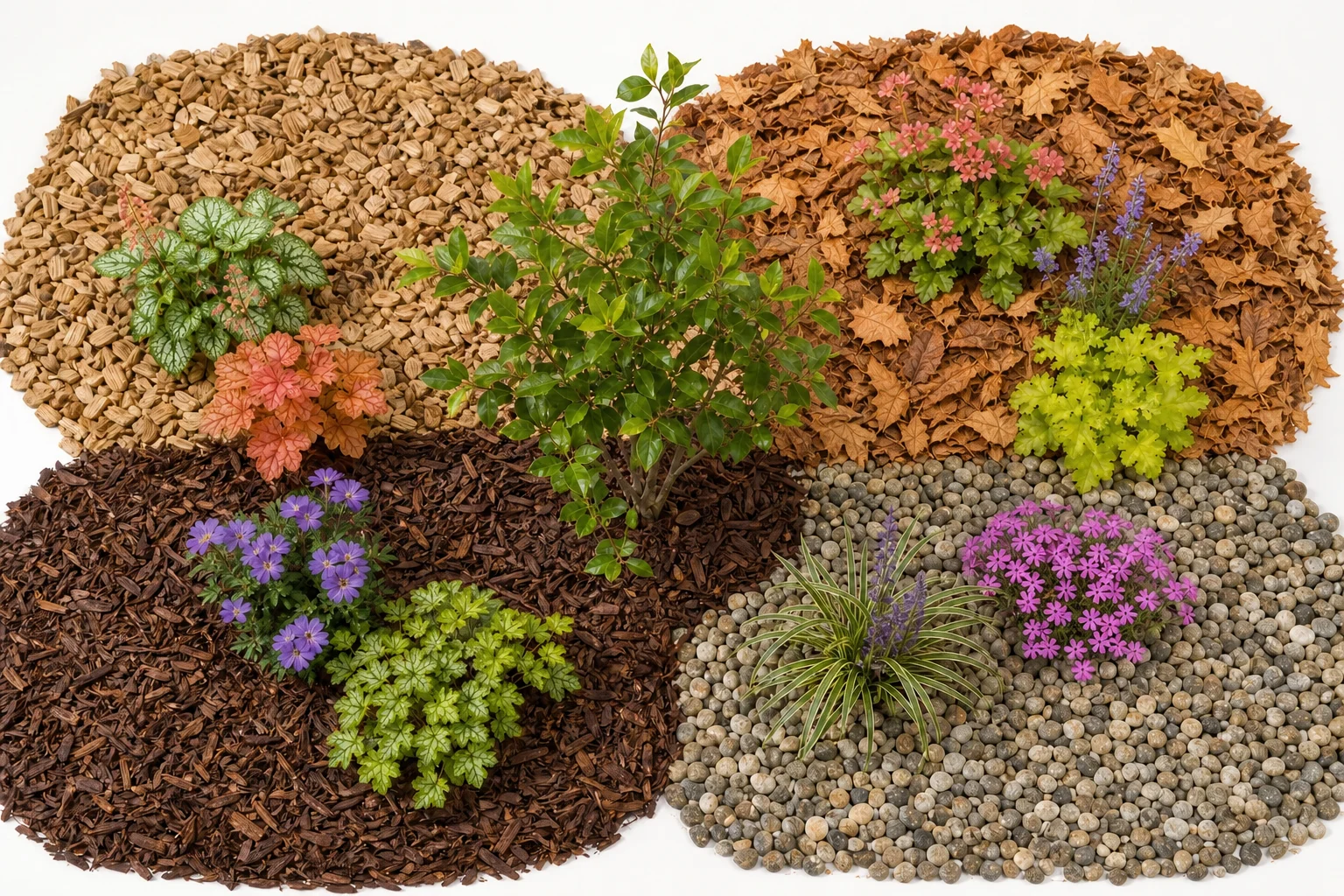
- Wood chips
- Leaves
- Bark
- Gravel
Choose the ground-covering job before the color
A mulch can conserve moisture, reduce bare soil, support a path edge, or create a mineral look. Those jobs do not always need the same material.
- 1
Protect planted soil
Favor an organic material that moderates the surface and can break down into the bed.
- 2
Keep a steep or windy bed covered
Choose a particle size and weight that are less likely to wash or blow away.
- 3
Use a mineral mulch
Choose gravel only where the plants, heat, drainage, and maintenance plan support it.
- 4
Feed an intensively planted bed
Use compost as a surface amendment where appropriate, then add a coarser cover if weed suppression and moisture moderation are the main jobs.
Pick the mulch that fits this bed
The material changes how the bed looks, how often it needs topping up, and how water reaches the soil. Compare those effects before choosing a color.
Arborist wood chips
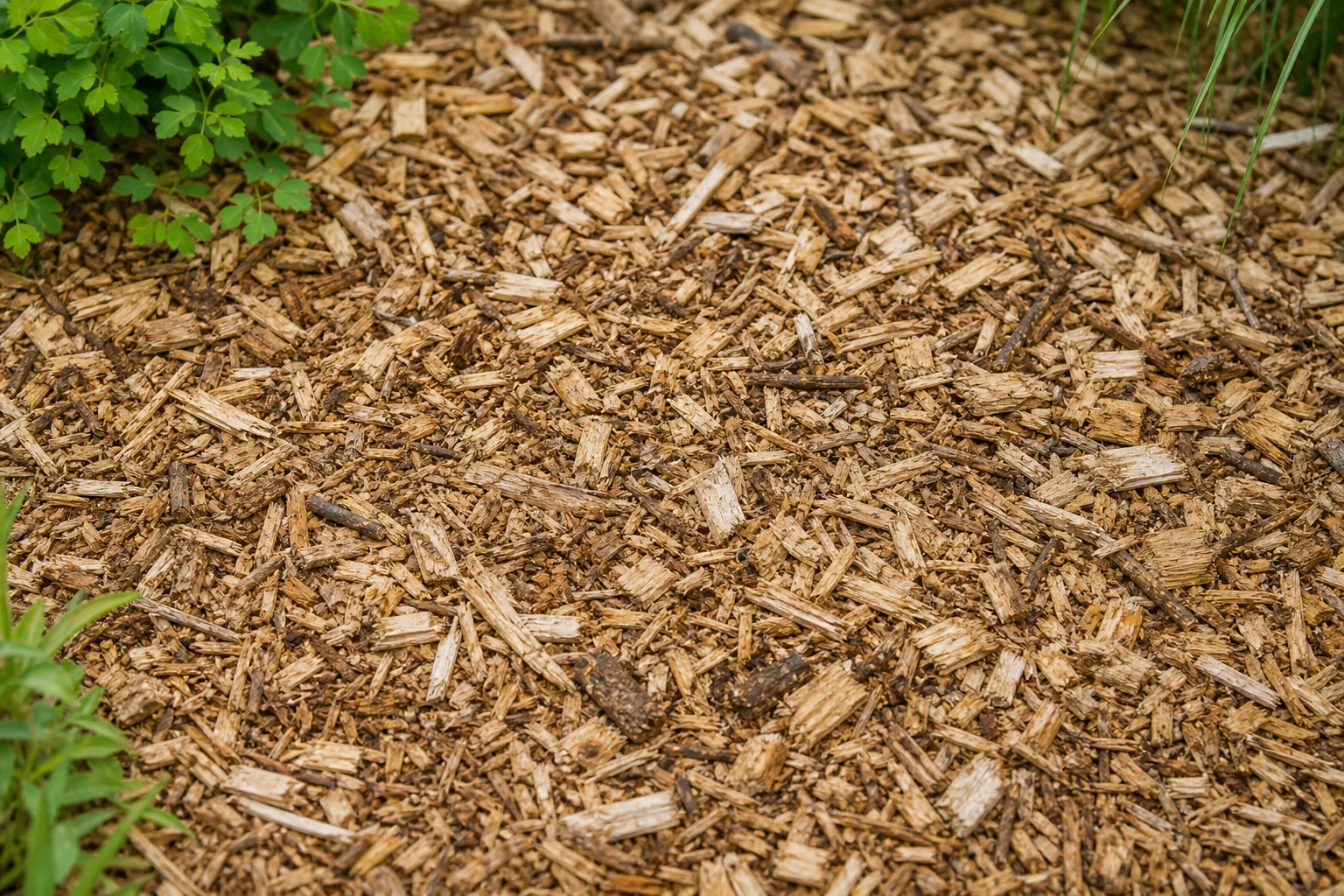
- Best for: Broad tree, shrub, and perennial beds. This is the most versatile moisture-conserving default.
- Looks like: Coarse, mixed, and informal. Top it up only when the layer thins.
- Know this: Water slowly in hot, open beds. Keep the chips on the surface instead of digging them into the soil.
Shredded bark
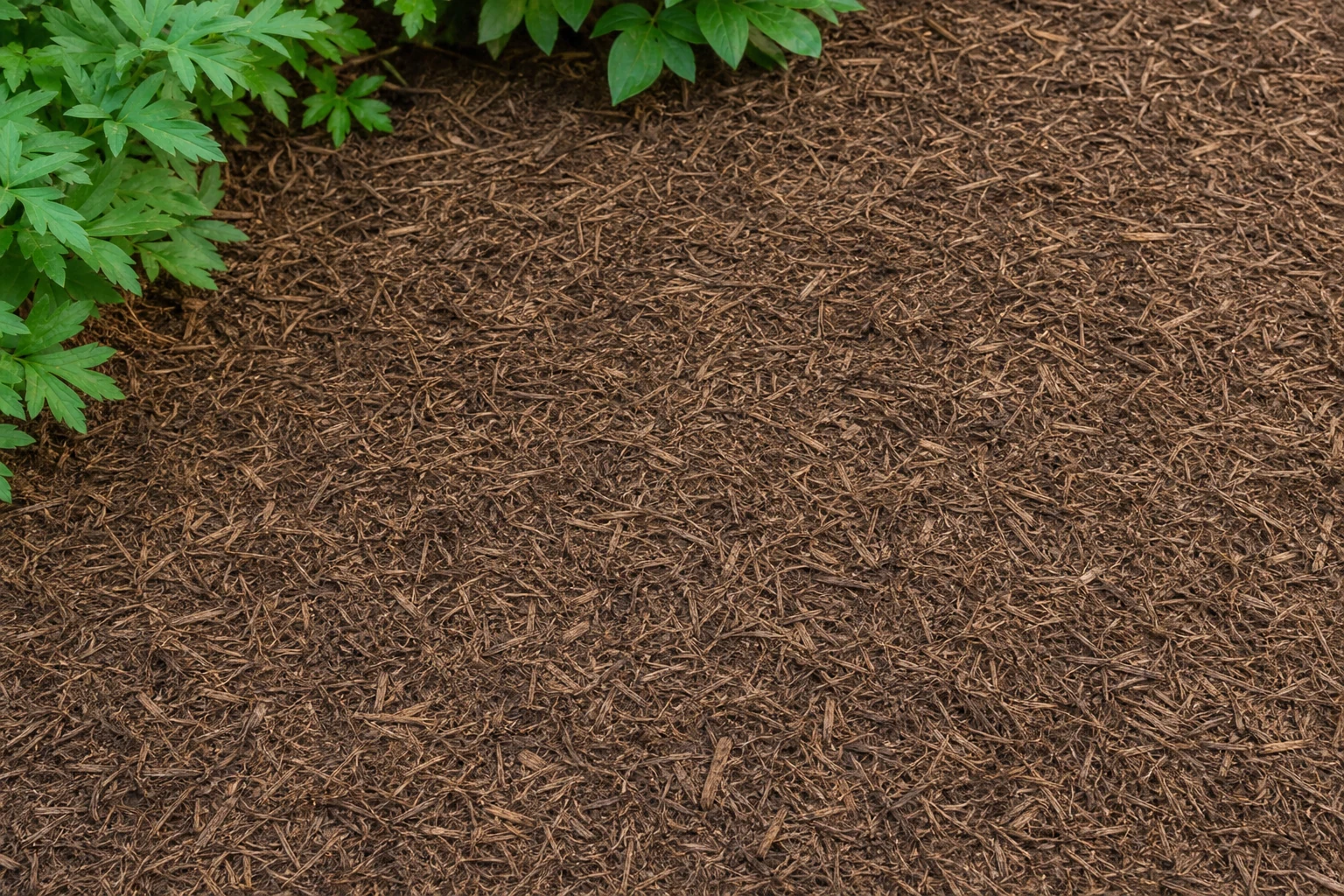
- Best for: Visible ornamental beds and slopes where loose chips would travel.
- Looks like: Uniform and tidy around foundations. Very fine bark can mat.
- Know this: Fibrous shreds grip slopes better than nuggets. Loosen crusted areas before adding more.
Shredded leaves
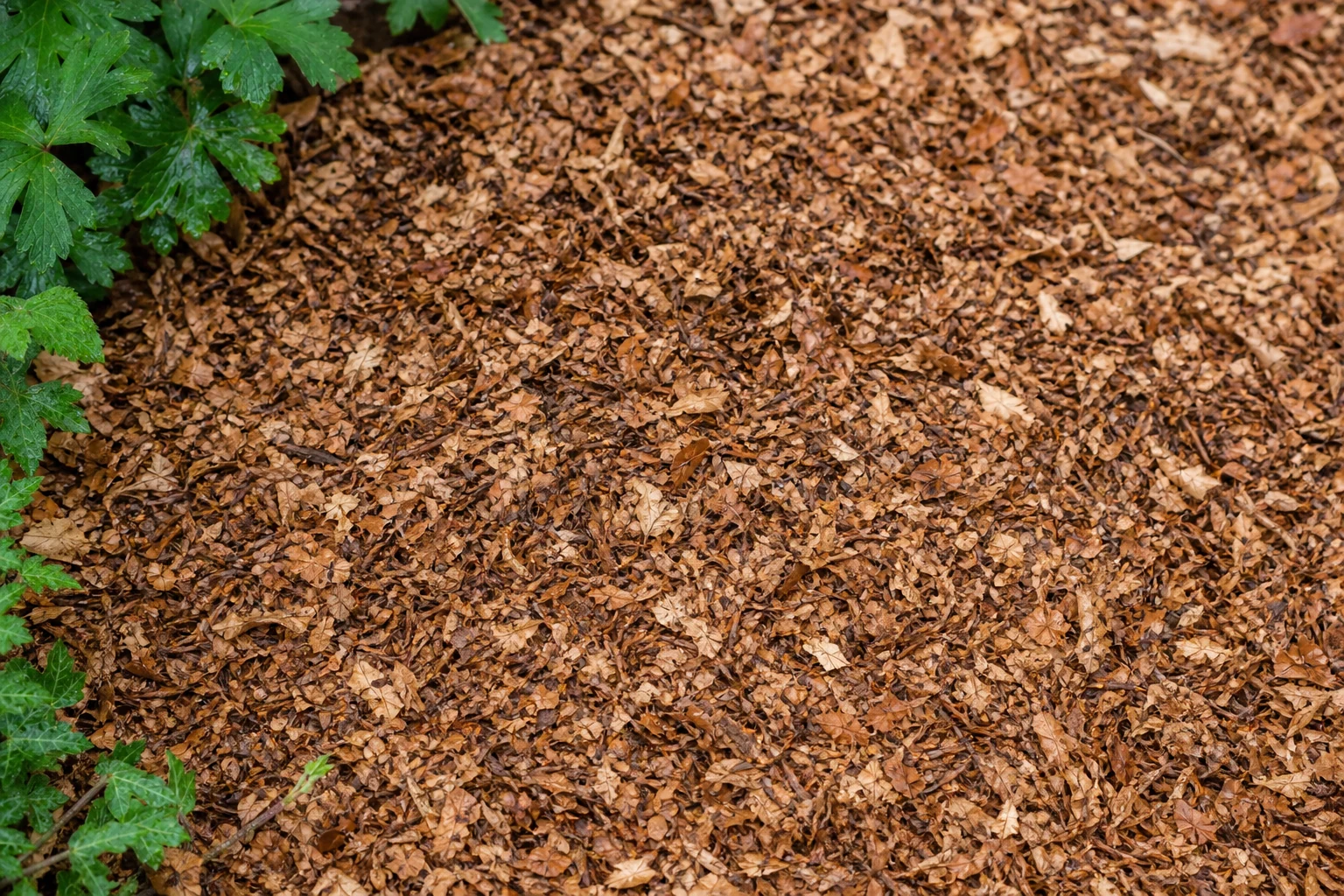
- Best for: Woodland and densely planted beds where free local material matters more than polish.
- Looks like: Soft and irregular. It blends into cottage and woodland planting, then breaks down quickly.
- Know this: Shred them first. Whole leaves can mat and slow water, or blow from the bed.
Finished compost
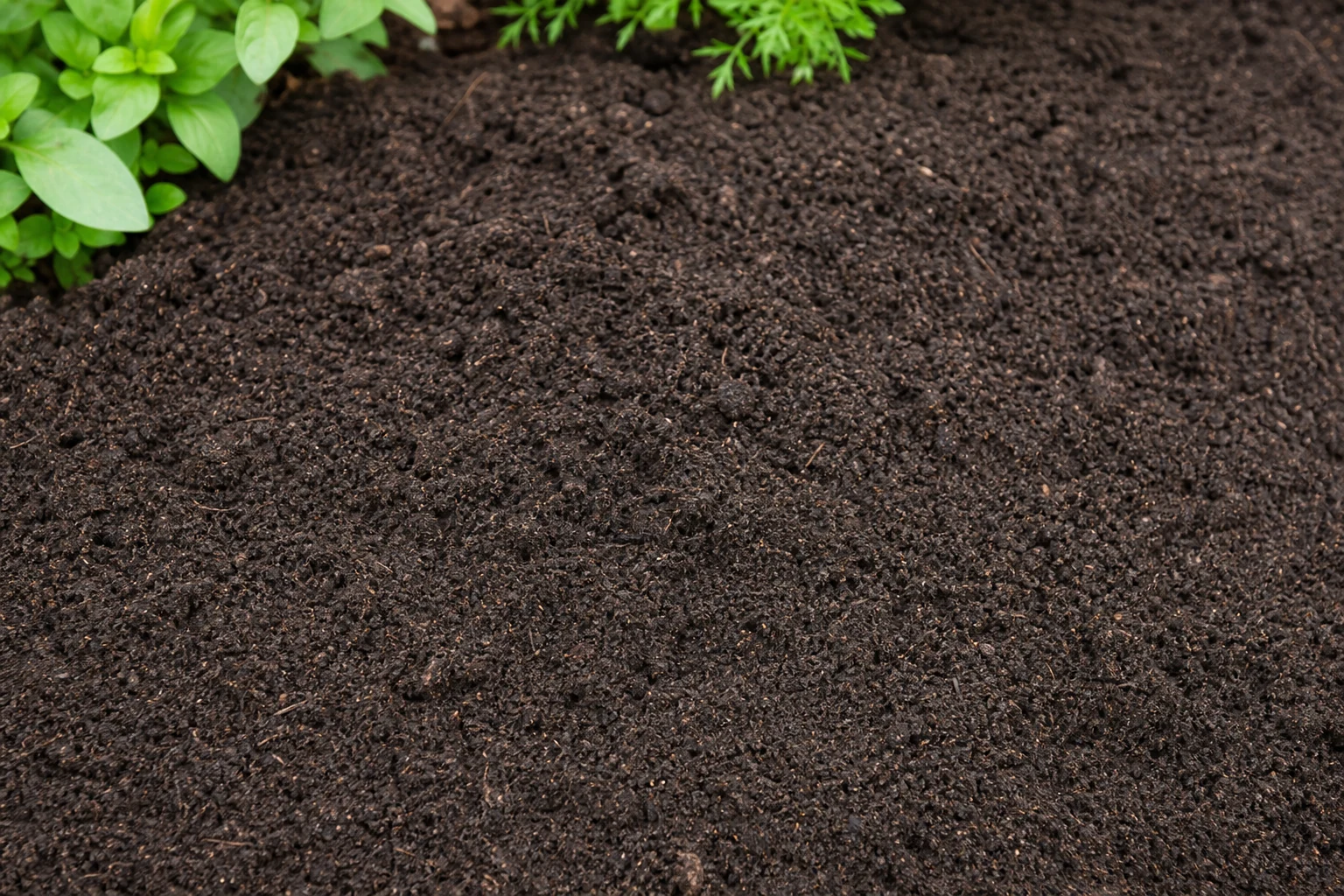
- Best for: Annual flower, cutting, and edible beds that are replanted often.
- Looks like: Dark, fine, and neat between close-spaced plants. It feeds soil but does not last as a cover.
- Know this: Spread a thin top-dressing. Add coarse mulch when moisture or weed control is the main job.
Fine gravel
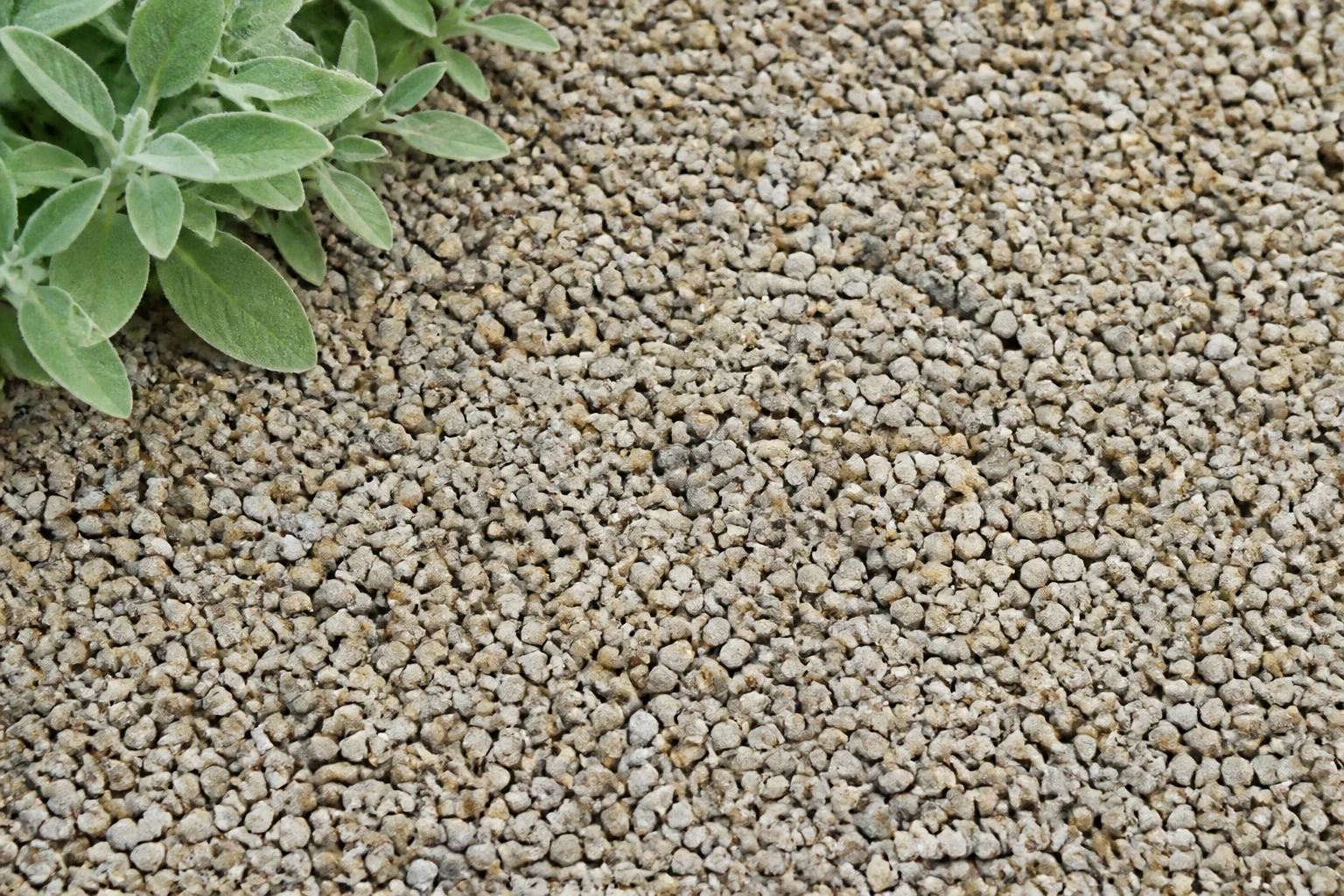
- Best for: Intentional gravel, alpine, Mediterranean, and dry-climate planting.
- Looks like: Crisp and mineral. It adds no organic matter and is cumbersome to remove later.
- Know this: Use pieces about 1/2 inch or smaller. It can conserve water but warms soil more than wood.
The shortest answer: wood chips for a broad natural bed, shredded bark for a tidier or sloped bed, shredded leaves for a low-cost woodland bed, compost for a bed you rework often, and fine gravel only when the planting is designed for a mineral surface.
Sources: University of Minnesota Extension, Penn State Extension, Colorado State University Extension, Iowa State University Extension
Use one simple mulch through a mixed flower bed
The mulch should connect the planting rather than compete with every leaf and bloom.
A front bed with shrubs, perennials, and spring bulbs
The bed is mostly level, receives regular rain, and needs a tidy surface while young plants fill in.
- 1
Clear perennial weeds first
Mulch hides soil; it does not solve an established weed problem underneath.
- 2
Use one coarse organic texture
Carry the same material through the bed so the repeated plants stay the focus.
- 3
Open space around every crown
Pull the mulch away from shrub stems, perennial crowns, and emerging bulbs.
- 4
Top up by need, not by calendar
Measure what remains before adding more so layers do not become progressively deeper.
An even layer makes young planting look finished while the open space around stems and crowns keeps plants clear.
Apply mulch without harming plants
Most mulch trouble comes from placement and accumulation, not from a lack of decorative options.
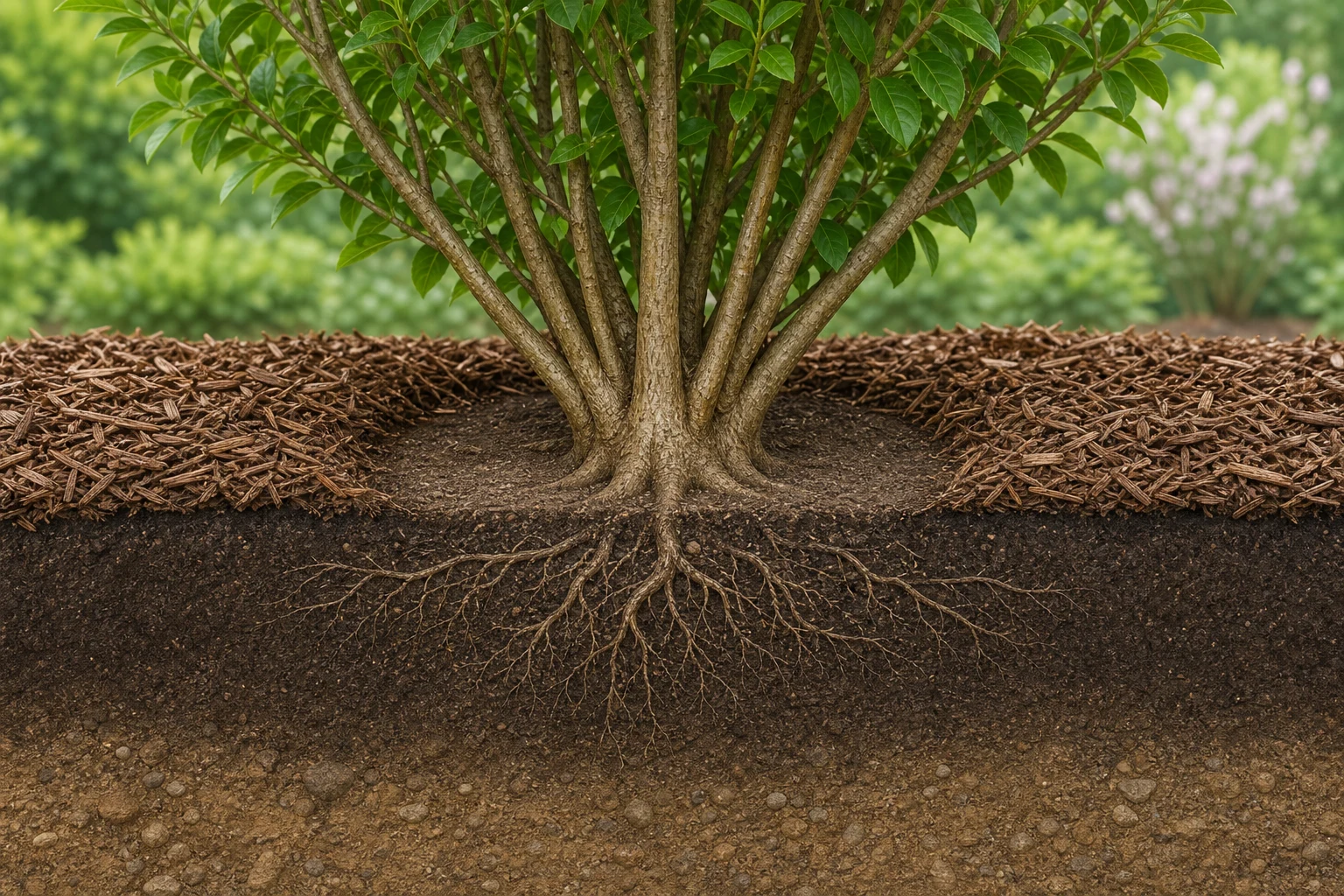
Mulch against bark: Keep the trunk flare and woody stems open rather than building a cone. University of Minnesota Extension suggests leaving roughly a 6-inch mulch-free ring around a tree trunk.
Buried perennial crowns: Leave the plant base visible so moisture and air are not trapped around it.
Layer upon layer: Check the existing depth before replenishing.
Material chosen for color alone: Recheck heat, slope, wind, soil goals, pets, and future maintenance.
Frequently asked questions
What mulch is best for flower beds?
A coarse organic mulch is a useful default for many shrub and perennial beds, but the best material depends on slope, wind, heat, plant crowns, local supply, and the look you want. Choose by function before color.
Should I put landscape fabric under mulch?
Fabric may be useful in specific nonplanted applications, but it can complicate changing and dividing a planted flower bed. Remove weeds first and use an appropriate mulch layer rather than treating fabric as a permanent cure.
Can I use gravel around plants?
Yes, when the plants and site suit a mineral surface. Check reflected heat, drainage, weed management, and future removal before using gravel as the default across a planted bed.
 Gardenful
Choose the plants and mulch together.
Use Gardenful to test the planting groups, then choose one mulch that suits the bed and lets the plants stand out.
Gardenful for iPhone
Download the app free and start with a photo of your yard.

Sources(4)
- [1]Mulching for Soil and Garden Health
University of Minnesota Extensionhttps://extension.umn.edu/managing-soil-and-nutrients/mulching-soil-and-garden-health
- [2]
- [3]Mulching
Colorado State University Extensionhttps://extension.colostate.edu/resource/mulching/
- [4]Gardening on Slopes and Hillsides
Iowa State University Extensionhttps://yardandgarden.extension.iastate.edu/how-to/gardening-slopes-and-hillsides