Hard filters
USDA zone, recorded light, documented mature size, and optional pet toxicity exclusion remove weak matches first.
Free plant recommendation quiz
Answer six quick questions about your yard and priorities. You’ll get up to four plants with distinct jobs, each filtered by zone, sunlight, and recorded size. Then check whether the shortlist shares your soil, drainage, and water needs.
Find my plantsNo email required. About two minutes.
Step 1 of 6
Growing zone
How the shortlist works
The tool filters catalog records by zone, sunlight, and project size, then starts with complementary planting roles. Soil, drainage, and shared water needs remain local checks.
USDA zone, recorded light, documented mature size, and optional pet toxicity exclusion remove weak matches first.
Project type changes the mix of structure, screening, massing, groundcover, specimen, and accent plants.
Style affinity, care level, water needs, pollinator value, native status, evergreen foliage, and other selected goals improve rank.
Soil, drainage, heat, local native range, cultivar, nursery stock, restrictions, and exact safety guidance still need a local check.
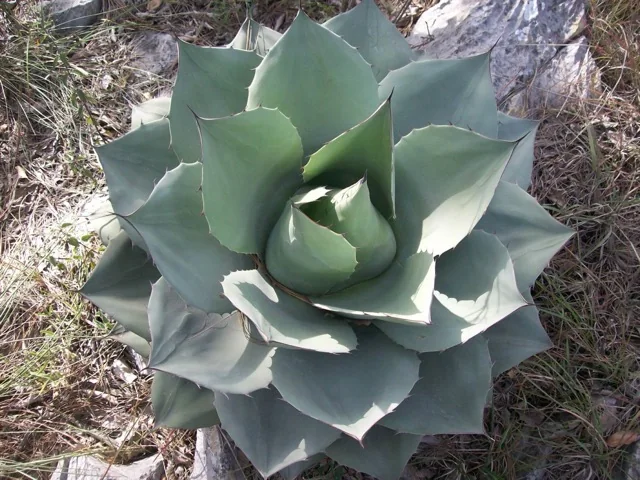
Focal plant
Whale's Tongue Agave
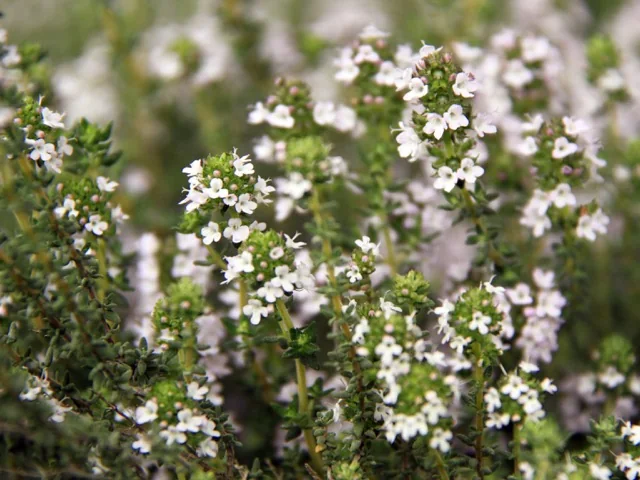
Repeat
Common Thyme
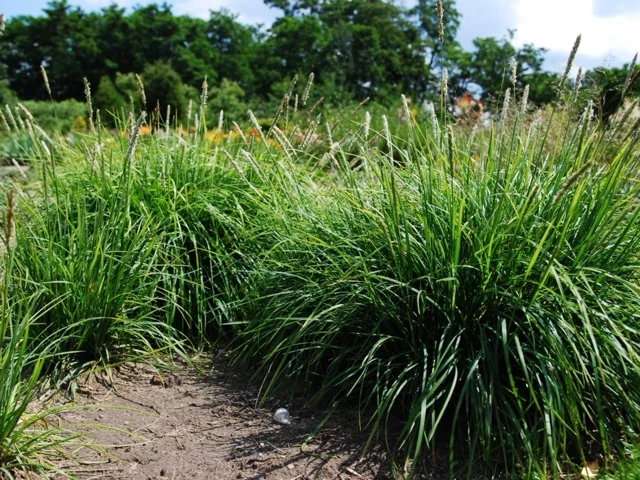
Edge and cover
Autumn Moor Grass
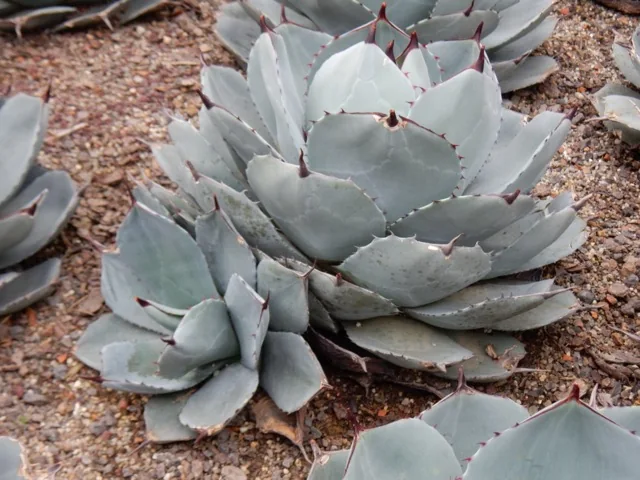
Accent
Artichoke Agave
Each plant passes the shown catalog filters. Before combining the shortlist, confirm shared soil, drainage, water, mature size, and local suitability.
Use the result well
A useful plant recommendation narrows the field while making uncertainty visible. Bring the roles and constraints to a local nursery, then substitute within the same role when a listed plant is unavailable or a better regional choice exists.
01
Check the botanical name, cultivar, mature size, local performance, and any pet or human safety concern.
02
Use several of one massing or groundcover plant before introducing more species. Repetition makes a small palette feel intentional.
03
Use confirmed mature spacing and bed measurements to estimate a cautious starting quantity.
Keep planning
Use seven visual choices to find your strongest style direction first.
Look up an official U.S. USDA zone or a clearly labeled global equivalent.
Turn three simple observations into more reliable light zones.
Estimate a cautious starting quantity after you confirm mature spacing.
Choose a screen role and mature envelope before asking the finder for a starter palette.
Set the border layers and viewing side before estimating plant quantities.
Plant finder FAQ
It recommends up to four catalog plants, beginning with design jobs such as structure, repetition, edge coverage, and accent. Each plant passes the selected catalog filters individually; the result is a role-based shortlist, not a guarantee that every plant shares the same soil, drainage, or watering needs.
Your zone screens for average annual extreme minimum winter temperature. It does not account for sunlight, summer heat, soil, drainage, water, local restrictions, or a plant's exact site exposure.
A U.S. native preference only favors catalog entries marked native somewhere in the United States. Native range can be much narrower, so confirm regional and local status with a state native plant society, extension office, or local nursery.
No. It excludes catalog entries currently marked toxic to pets, but plant names, animal species, dose, and source guidance matter. Confirm the exact plant with your veterinarian or the ASPCA before planting.
Sources and lookup links
Look up your zone and read the temperature limits on the USDA Plant Hardiness Zone Map. For pet screening, confirm the exact botanical name in the ASPCA toxic and non-toxic plant list, then ask your veterinarian about your animal and situation.
 Gardenful
Use a photo of your yard, mark the area you want to change, and turn your direction into a visual Gardenful plan with suggested quantities and a nursery-ready list.