Keep the structure, choose the right shrub
Boxwood alternatives for a neat, green border
The short answer
A good boxwood replacement keeps the part of the planting you like: a low green edge, a rounded shrub or a backdrop that stays leafy in winter. Compact inkberry can work in acidic, moisture-retentive soil; dwarf yaupon suits warmer regions; a suitable yew can provide dense greenery in a cooler, well-drained site. If winter leaves aren't essential, shrubby cinquefoil offers flowers in cold-climate gardens. Match the plant to the job and growing conditions before choosing by appearance.
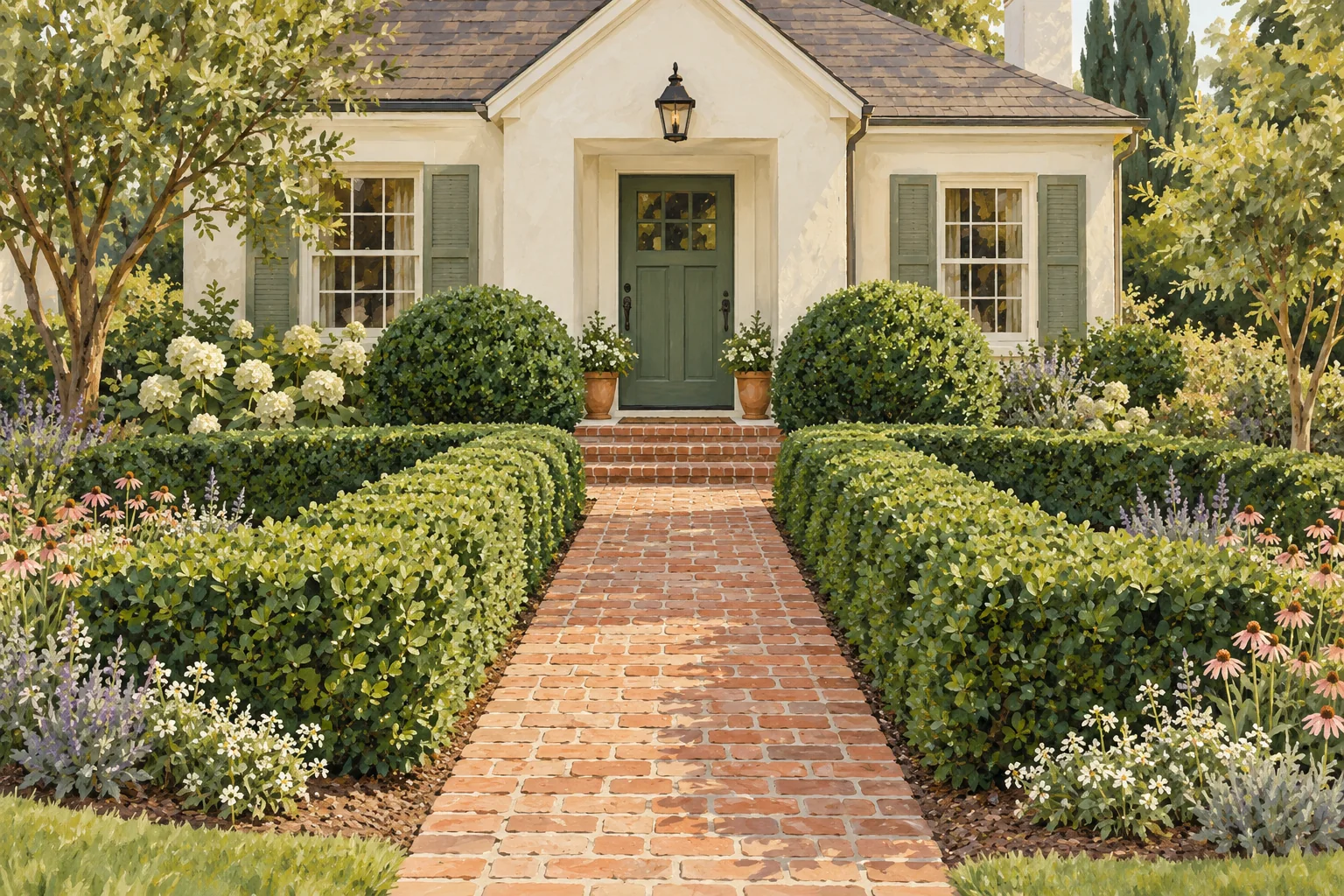
Replace the job the boxwood was doing
A low edging plant and a privacy shrub are different purchases, even when both have small green leaves.
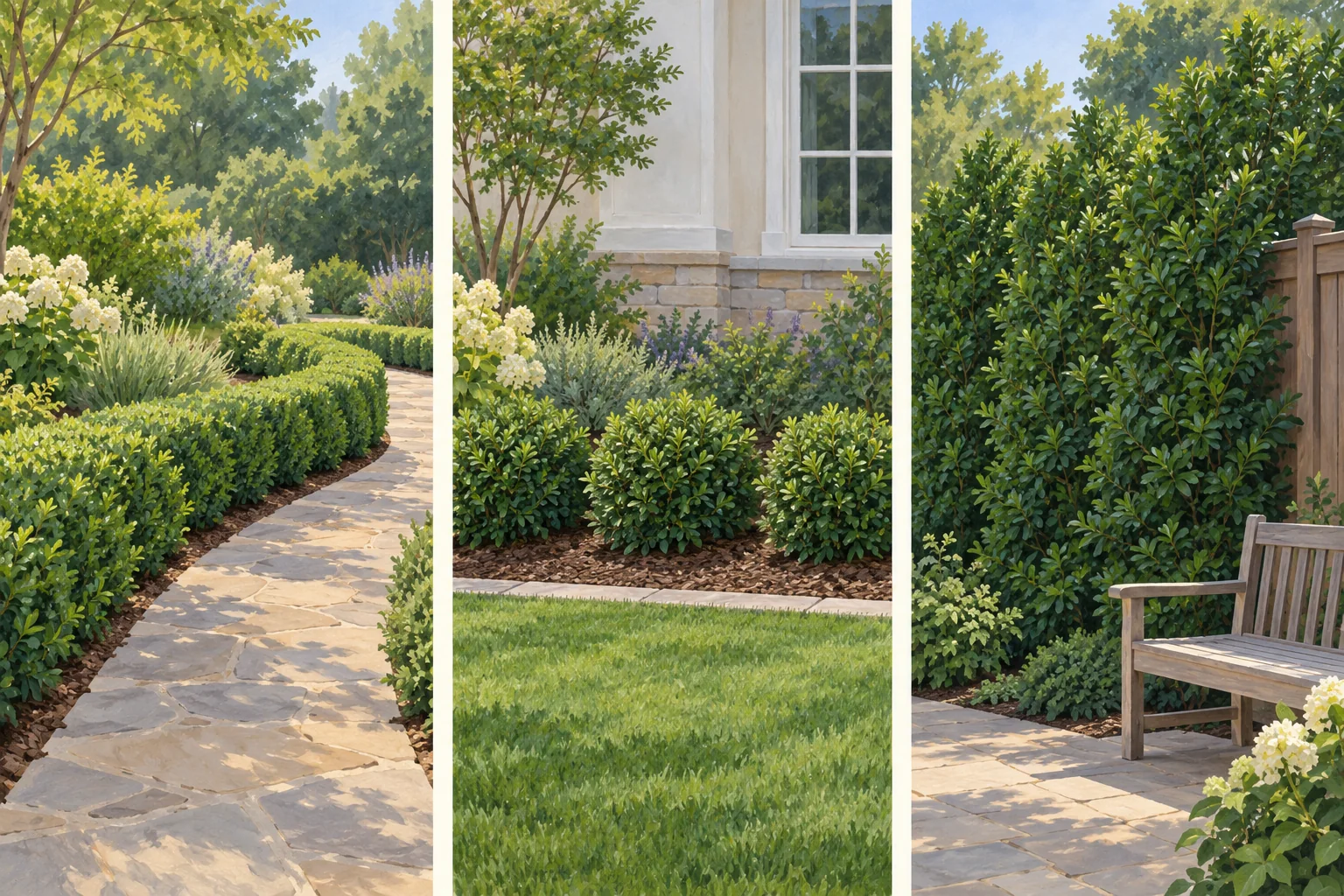
A low hedge
Choose a plant that naturally stays near the height you want. A large shrub kept short by frequent shearing can turn a simple border into a recurring chore.
Separate rounded accents
Leave space between mature mounds if you want to see their individual shapes. They don't have to join into a hedge to make the planting feel finished.
A leafy backdrop or screen
Decide how much winter coverage you need, then allow enough bed depth for a taller plant. A dwarf hedge variety may never provide useful privacy.
Compare leaves and habit, then choose a variety
These plants can replace different aspects of boxwood. Compare the foliage, then let your soil and climate narrow the choice before ordering a whole row. The final height and width depend on the variety you buy.
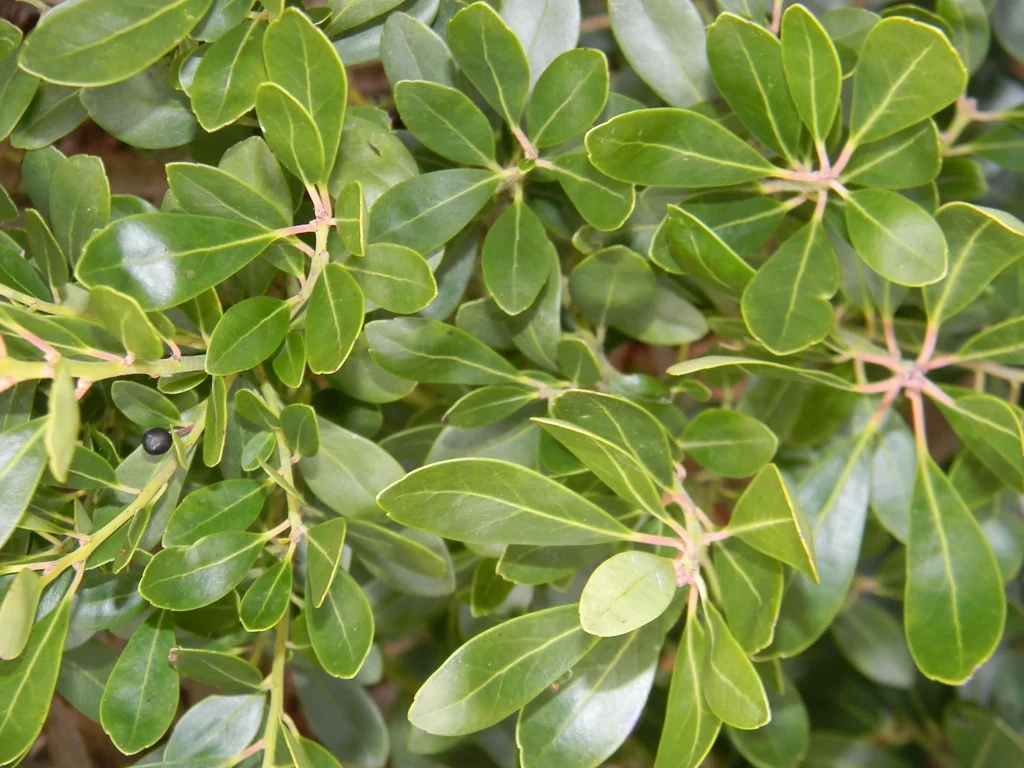
Inkberry holly for a softer evergreen mound
Ilex glabra is native to eastern North America. It prefers acidic soil with reliable moisture; dry alkaline soil calls for a different choice. Compact selections can suit a lower border, but the species is much larger, and some plants become bare at the base. Check mature dimensions and the variety's lower branching.
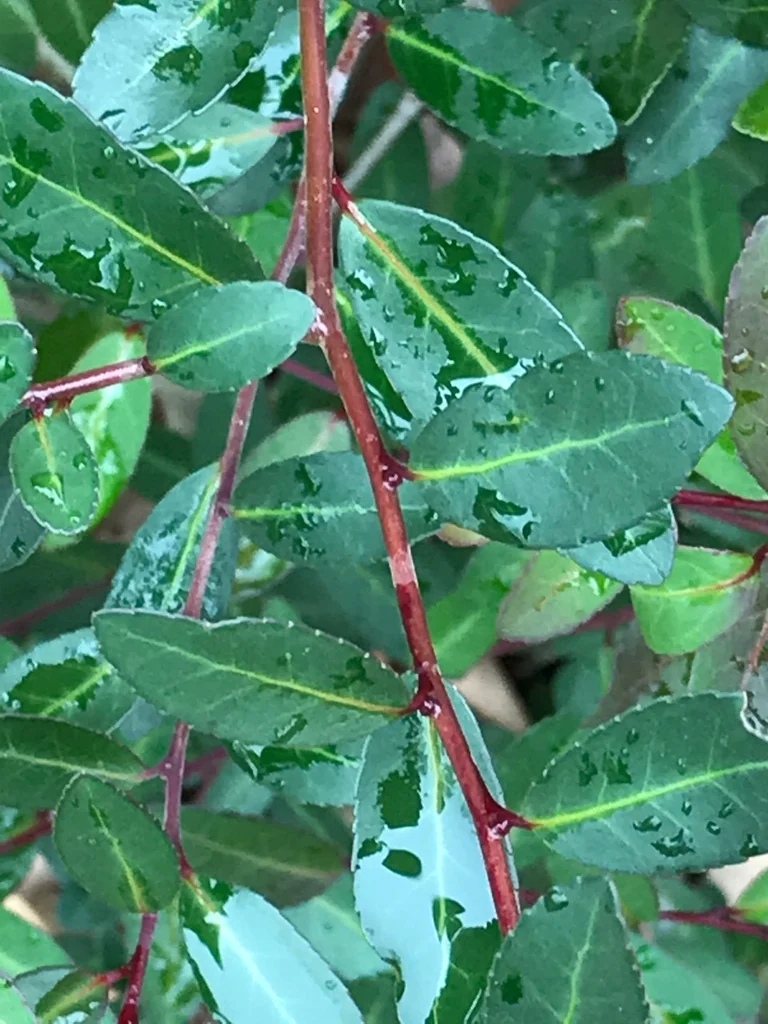
Dwarf yaupon for warm-climate borders
Dwarf forms of Ilex vomitoria offer small leaves and rounded evergreen growth in suitable southern gardens. Specify a dwarf variety: ordinary yaupon can become a large shrub or small tree. Allow room for its width and check for unwanted shoots around the base.
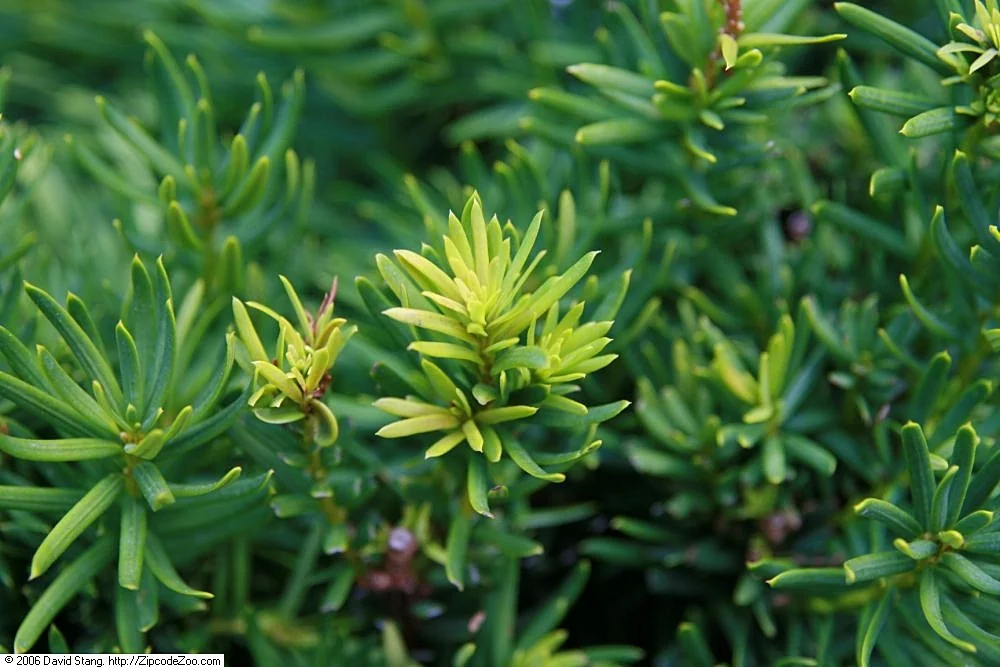
Yew for dense greenery in suitable cooler sites
Taxus × media has dark needles rather than boxwood-like leaves. It tolerates pruning and some shade, but needs good drainage and can suffer from deer browsing. Yew is highly toxic if eaten; choose another option where children or animals may chew plants.
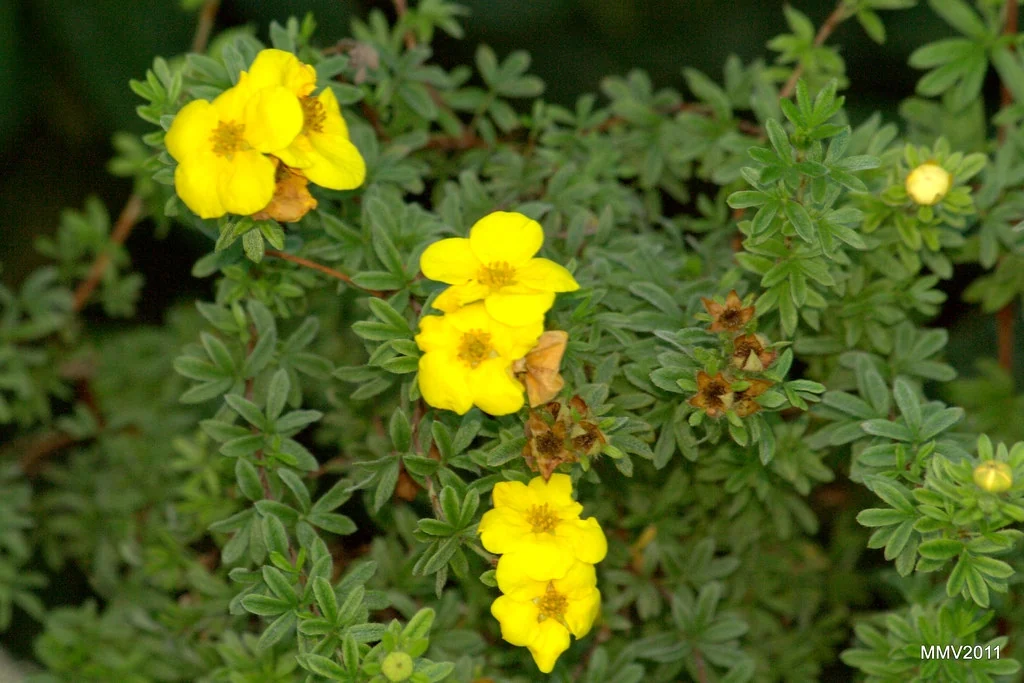
Shrubby cinquefoil when flowers matter more than winter leaves
Dasiphora fruticosa, often sold as potentilla, makes a lower flowering shrub for sunny beds in cooler northern climates. It loses its leaves in winter and isn't a crisp evergreen substitute. Use it when a summer-flowering edge would serve you better than a formal hedge; hot humid southern summers are a poor fit.
Sources: Cornell Integrated Pest Management, NC State Extension [3] [4] [5] [6]
Choose the new shrub to fit below the window
Replacing an overgrown hedge is a chance to correct its size, not just change the species.
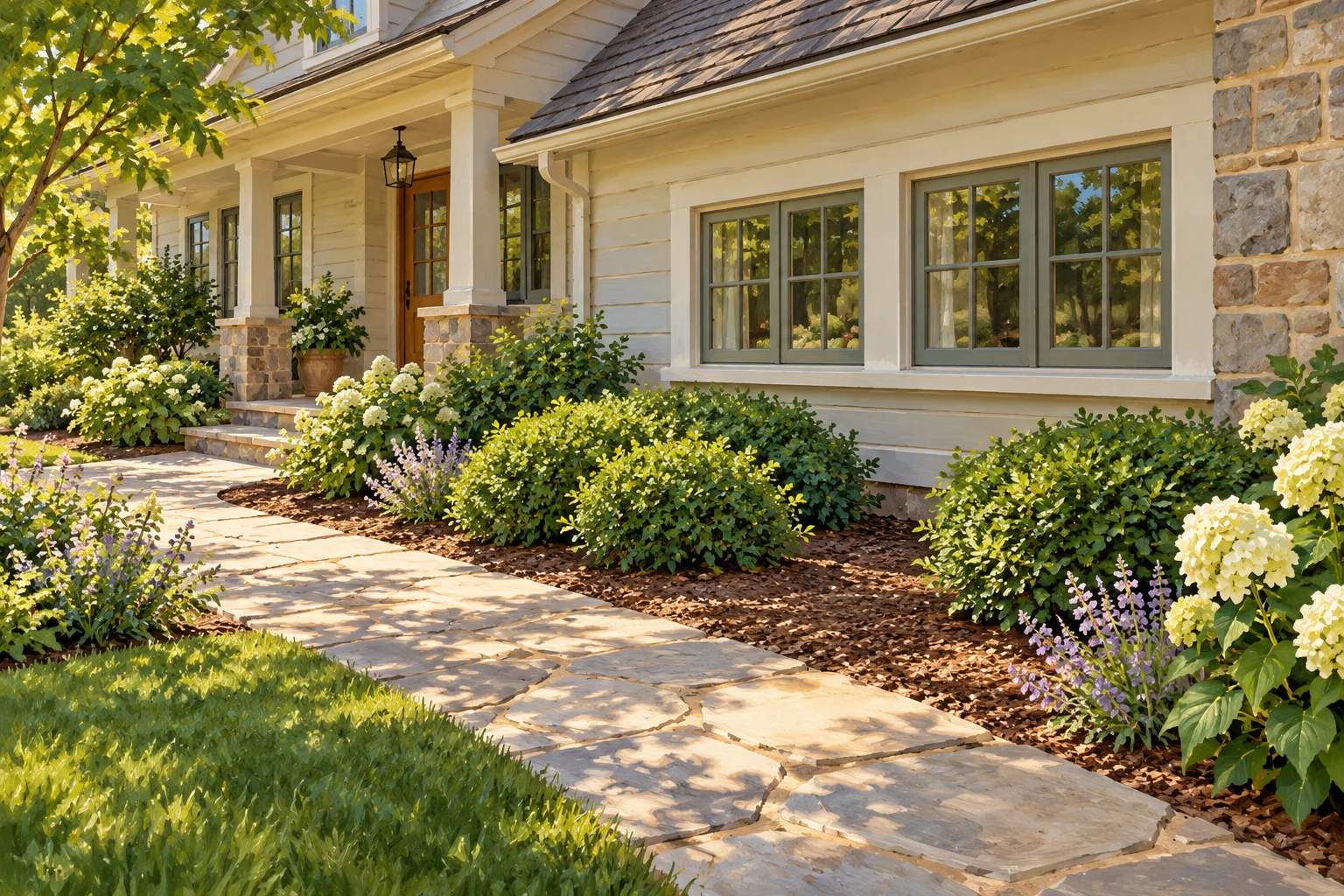
A shallow bed below a low sill
Suppose the sill is 3 feet above the bed and the bed is 5 feet deep. A shrub expected to reach 5 feet tall will recreate the blocked-window problem, even if it looks small when you buy it.
- 1
Choose the height first
Shortlist varieties that finish below the sill with some space to spare. Don't make repeated hard pruning the plan for keeping a large shrub low.
- 2
Check the width against the bed
A 3-foot-wide shrub centered 2.5 feet from the wall leaves 1 foot between its expected edge and the wall, and 1 foot before the path in this example. Increase that clearance where access or building guidance requires it.
- 3
Decide whether the mounds should touch
For separate accents, leave visible gaps at maturity. For a continuous hedge, use the chosen variety's recommended hedge spacing rather than copying the old planting holes.
Find out why the old boxwood failed before replanting
Brown foliage alone doesn't tell you whether the problem is disease, pests, drainage, winter injury or watering. Ask your local extension service to identify the cause if it isn't clear. A replacement with different leaves can still struggle in the same waterlogged bed.
Where boxwood blight is confirmed, follow local cleanup and disposal guidance. Sweetbox and pachysandra are in the same plant family and can also host the disease, so they aren't a good workaround for an infected site. Keep contaminated clippings and tools from spreading the problem elsewhere.2
Try the new layout in a photo before buying the full row. In Gardenful, describe the shape you want to keep, the windows that must stay visible and the maintenance you want to reduce. Compare a continuous low hedge with separate rounded plants, then take the design you prefer and your soil information to a local nursery.
Frequently asked questions
What is the closest native alternative to boxwood?
Compact inkberry can offer similar evergreen structure in suitable acidic, moist soil. Dwarf yaupon is another option in warmer regions. Both need a variety chosen for the mature space; neither is a universal replacement for every boxwood site.
Should I remove healthy boxwoods?
Not automatically. If they fit the bed and are healthy, keep monitoring them and follow local pest guidance. Consider replacement when the plants are failing, the maintenance is no longer worthwhile or their mature size doesn't suit the site.
Is there a boxwood alternative that needs no pruning?
A shrub naturally close to your desired size can reduce pruning, but no living hedge keeps an exact geometric outline indefinitely. Separate rounded shrubs usually allow a looser shape than a tightly clipped continuous edge.
 Gardenful
Picture the new border before replacing the old one.
Use a photo of your house to compare a low hedge, softer mounds or a more flowering border in Gardenful. Keep the shape you enjoy and rethink the parts that became hard to manage.
Gardenful for iPhone
Download the app free and start with a photo of your yard.

Sources(9)
- [1]
- [2]
- [3]Inkberry holly
NC State Extensionhttps://plants.ces.ncsu.edu/plants/ilex-glabra/
'Nigra' foliage photograph by Randy Harter, CC BY 4.0; resized and converted to WebP for responsive display.
- [4]Yaupon holly
NC State Extensionhttps://plants.ces.ncsu.edu/plants/ilex-vomitoria/
Foliage photograph by K. Andre, CC BY 2.0; resized and converted to WebP for responsive display.
- [5]Hybrid yew
NC State Extensionhttps://plants.ces.ncsu.edu/plants/taxus-x-media/
Foliage photograph by David J. Stang, CC BY-SA 4.0; resized and converted to WebP for responsive display; adaptation retains the license.
- [6]Shrubby cinquefoil
NC State Extensionhttps://plants.ces.ncsu.edu/plants/dasiphora-fruticosa/
Photograph by Manuel M.V., CC BY 2.0; resized and converted to WebP for responsive display.
- [7]CC BY 4.0
Creative Commonshttps://creativecommons.org/licenses/by/4.0/
- [8]CC BY 2.0
Creative Commonshttps://creativecommons.org/licenses/by/2.0/
- [9]CC BY-SA 4.0
Creative Commonshttps://creativecommons.org/licenses/by-sa/4.0/